How Can You Reduce Your Total Loan Cost? A Practical, Expert Guide Backed by Federal Student Aid and FICO

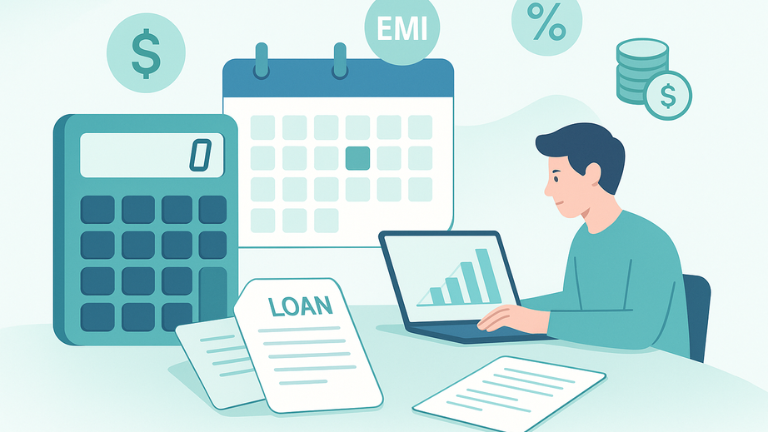
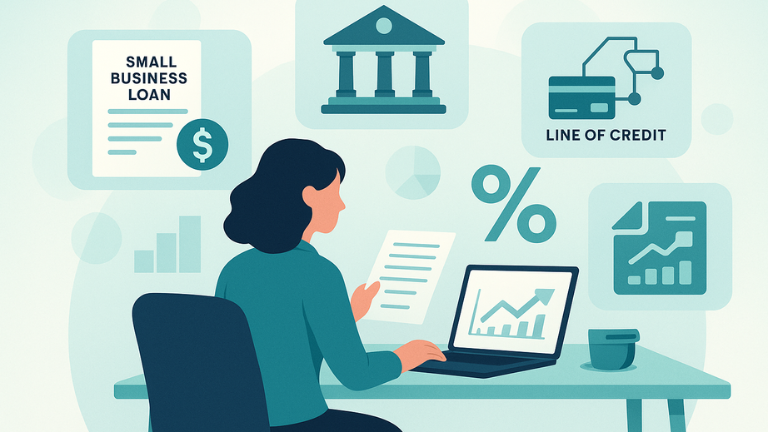
How can you reduce your total loan cost without guessing or relying on gimmicks? Whether you’re borrowing through Federal Student Aid, shopping for Personal Loans (PL), or consolidating debt with a company like Achieve, the answer always comes down to a few fundamentals: your loan amount, interest rate, term length, and how intentionally you manage repayment over time. In the first 100 days of a loan—and especially before you sign—small choices can mean thousands of dollars saved or wasted. Credit scoring models like those from FICO reward borrowers who understand the system, while lenders quietly price risk through fees, tiered pricing, and interest accrual. This guide breaks it all down in plain English. No hype. No shortcuts. Just proven ways to lower your total loan cost and keep more of your money. Why Total Loan Cost Matters More Than the Monthly Payment It’s tempting to focus on the monthly number. But a low payment can hide a long-term problem. Total loan cost is the sum of: A longer term length lowers payments—but increases total interest. Understanding loan amortization helps you see how early payments skew heavily toward interest, not principal. Example:A $20,000 loan at 10% over 5 years costs far less overall than the same loan stretched to 7 years—even if the monthly payment looks friendlier. Understand Loan Amortization and the Impact of Compounding Understanding loan amortization Amortization is how your loan balance declines over time. Early on, interest accrual eats up most of your payment. Later, principal reduction accelerates. That’s why early principal repayment impact matters so much. Even modest extra payments in year one can deliver long-term interest savings. Simple interest vs. compounding Most personal and student loans use simple interest, but the impact of compounding still shows up when unpaid interest accrues daily. What helps: Reduce Your Interest Rate Before You Borrow Improve your credit score strategically Your credit score is the single biggest pricing lever lenders use. FICO Scores are driven by: Improving even 40–60 points can unlock a lower interest rate or better tiered pricing. Financial writers like Mallika Mitra often emphasize that borrowers overestimate how hard credit improvement is—and underestimate the payoff. Compare Loan Offers Carefully—Not Just APR Compare total cost carefully APR is useful, but it doesn’t tell the whole story. Always compare: Some lenders advertise low rates but offset them with high lender fees. Tip: Ask for a full amortization schedule and calculate total repayment using a loan calculator. Choose the Right Loan Type: Secured vs Unsecured Secured loan vs unsecured loans If you’re confident in repayment and want to minimize long-term interest, secured options can make sense. Otherwise, unsecured personal loans reduce risk exposure. Refinance Strategically—Timing Matters Refinance for savings Refinancing works best when: Refinance during low rates and aim for a shorter term without resetting fees. As Jill Cornfield notes, refinancing only helps if you avoid extending debt longer than necessary. Use Smarter Repayment Strategies Bi-weekly payment advantages Bi-weekly payments: Debt avalanche vs debt snowball Both outperform minimum payments. For someone struggling with cash flow, the debt snowball method can provide quick wins and motivation. Conversely, a financially savvy individual focused on minimizing interest paid over the long term would likely prefer the debt avalanche method, even if it requires more discipline upfront. Automate and Negotiate Automatic payments and fee reduction Many lenders offer rate discounts for automatic payments. It’s small—but permanent. Also: Never assume terms are non-negotiable. Avoid Hidden Costs That Inflate Total Loan Cost Understand loan terms fully before signing. Borrowers who don’t often pay more than expected. Use Technology and Tools Wisely Even simple calculators built with JavaScript can model repayment scenarios instantly. Use them to test: Financial planning tools remove emotion from decisions. Learn From Real-World Borrowers Social platforms like LinkedIn, Facebook, and Twitter are full of real repayment stories—both successes and mistakes—especially following rate changes around Nov 28, 2024. Patterns are clear: borrowers who plan early pay less. Always. FAQ: How Can You Reduce Your Total Loan Cost? How can I lower my loan interest rate? Improve your credit score, reduce credit utilization, compare lenders, and refinance strategically when rates drop. Are bi-weekly payments worth it? Yes. Bi-weekly payment advantages include faster principal reduction and minimized interest accrual. Should I refinance my loan? Refinance for savings if your credit improved or rates fell—but avoid extending the loan term unnecessarily. What’s the biggest mistake borrowers make? Focusing on monthly payments instead of total loan cost. Final Takeaways: A Summary of How You Can Reduce Your Total Loan Cost Reducing your total loan cost isn’t about hacks. It’s about understanding how loans really work—and acting early. Do this well and you’ll: